Signatured: A Magical Script Font
There I was, staring at a blank brand board, trying to figure out how to make a small café feel both warm and modern. It’s one of those moments where the right font can make or break the whole vibe. That’s when I stumbled on Signatured—a magical script font that felt like it was made for this exact kind of project.
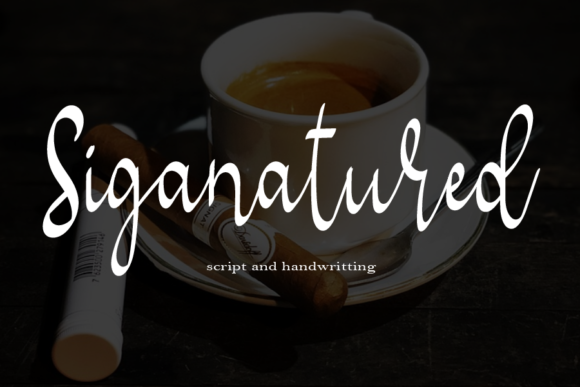
Signatured has this elegant, flowing style that feels both refined and approachable. The curves are soft but intentional, and the strokes have just the right amount of weight to give it presence without overwhelming the design. It’s not too fussy, which is perfect for a brand that wants to feel authentic but still polished.
I started by testing it on a logo draft. The first thing I noticed was how well it worked as a headline. It had a natural rhythm that made the text feel alive, almost like it was written by hand. But what really caught me off guard was how it looked on a shop sign. The font had a friendly energy that made the café feel more inviting, like it was welcoming you in with a smile.
Using Signatured in Brand Identity
As I moved into the full brand system, I found that Signatured worked best as a display font. It wasn’t something I’d use for body text, but as a headline or logo font, it brought a level of sophistication that other scripts couldn’t match. Its elegance made it ideal for a boutique or a skincare brand looking to communicate care and quality.
I paired it with a clean sans serif for the supporting text. The contrast was nice—Signatured gave the brand personality, while the sans serif kept things readable and professional. It also helped create visual hierarchy, making sure the most important elements stood out without feeling cluttered.
On packaging, Signatured added a touch of luxury. Whether it was on a label sticker or a product box, it felt like a signature element that made the brand memorable. I even used it on a homepage hero section for a client’s website. The font had enough character to catch attention but didn’t distract from the message.
Real-World Design Observations
One of the things I appreciated about Signatured was how it handled different sizes. On a business card, it looked sharp and legible. On a large banner, it still maintained its charm without becoming too busy. It also worked well on social media graphics, especially Instagram posts where the font could stand out in a feed full of static images.
I tested it on a few mockups, including a flyer for a local event. The font added a sense of movement and fluidity that matched the theme of the event. It wasn’t just a font—it felt like part of the story being told.
Another thing I noticed was how it interacted with color. When paired with a muted palette, it felt subtle and refined. When used with bold colors, it became the focal point, adding energy and excitement to the design.
Practical Tips for Testing Signatured
If you’re thinking about using Signatured in your next project, I recommend testing it across different mediums before committing. Print it on a sample label, use it in a digital mockup, and see how it looks in various contexts. Sometimes a font that looks great on a screen doesn’t translate well to print, so it’s always good to check.
Also, take note of the font’s styles and alternates. Some script fonts come with multiple versions, which can be useful for creating variation in your designs. Signatured has a few options that let you tweak the look depending on the project’s needs.
When working with clients, I often ask them to provide examples of what they like. This helps me understand their aesthetic and ensures the font aligns with their vision. Signatured usually gets a positive reaction because it feels unique but not too unconventional.
Font Pairing and Style Considerations
Pairing Signatured with other fonts can help balance its personality. A classic serif font like Georgia or Baskerville can add stability and contrast, while a modern sans serif like Helvetica or Futura keeps things clean and contemporary. For a more handmade feel, a casual script or handwritten font can complement Signatured nicely.
It’s also worth checking the font’s multilingual support if you’re working on an international project. While Signatured may not cover every language, it’s usually sufficient for English-based designs. Make sure to review the licensing terms too, especially if you’re planning to use it commercially.
Overall, Signatured is a versatile tool that can elevate a wide range of design projects. From branding to packaging, it brings a level of elegance that’s hard to replicate. It’s not just a font—it’s a statement.
Whether you’re designing for a small café, a creative studio, or a product-based business, Signatured offers a way to express personality through typography. It’s the kind of font that makes you want to write more, design more, and create more. And that’s what great design is all about.