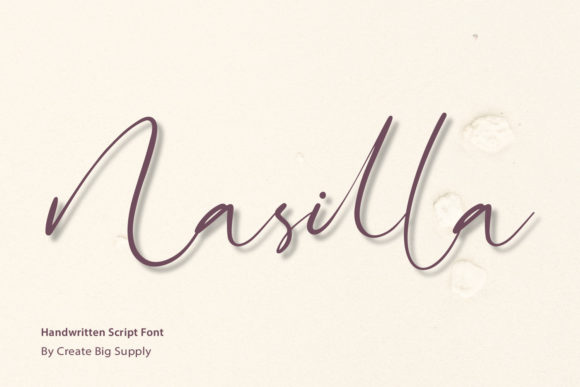
Nasilla: A Luxurious Script Font
As a small business owner, I’ve learned that even the smallest details can make a big difference in how customers perceive your brand. Recently, I was tasked with updating a bakery’s packaging and realized that the right font could elevate their entire look. That’s when I discovered Nasilla—a dazzling script font that adds a touch of luxury to any design project.
What Is Nasilla?
Nasilla is a premium script font that exudes elegance and sophistication. Its flowing lines and ornate details give it a luxurious feel, making it perfect for businesses that want to stand out. Whether you're designing a logo, creating product labels, or updating your social media graphics, Nasilla brings a refined aesthetic that feels both modern and timeless.
The font is PUA encoded, which means you can access all of its amazing glyphs and ligatures without needing special software. This makes it incredibly versatile for creative projects that require unique typography.
Real-World Applications
One of the first places I tested Nasilla was on a bakery's packaging. The bakery wanted to update their box design to reflect a more upscale image. Using Nasilla for the logo and product names gave the packaging a polished, professional look that felt fresh and inviting. It made the bakery stand out on the shelf and added a sense of quality that customers could immediately recognize.
I also used Nasilla on a skincare label for a local beauty brand. The font’s elegant curves complemented the brand’s natural and organic theme, adding a touch of sophistication without being too flashy. It worked well for both the product name and the tagline, helping to create a cohesive visual identity across all materials.
For a candle seller, Nasilla proved to be ideal for label design. The font’s fluidity matched the calming nature of the products, and its readability ensured that important information like ingredients and usage instructions were easy to read. It helped the brand feel more trustworthy and approachable at the same time.
When to Use Nasilla
Nasilla shines as a display font, particularly for headlines, logos, and short phrases. It’s not the best choice for long blocks of text due to its decorative nature, but when used strategically, it can add a unique flair to any design.
It works especially well for packaging titles, website banners, and social media graphics. For example, using Nasilla on an online shop banner can draw attention and create a memorable visual impact. It’s also great for creating eye-catching Instagram promotions or digital ads that need to stand out in a crowded space.
However, it’s important to consider readability when using Nasilla on small labels or mobile screens. If the font is too intricate, it might become hard to read at smaller sizes. In such cases, pairing it with a clean sans serif font can help maintain clarity while still keeping the design stylish.
Font Pairing Tips
Pairing Nasilla with other fonts can help balance its decorative elements with more functional typefaces. A clean sans serif like Montserrat or Open Sans can provide contrast and improve readability, especially for body text or longer descriptions.
If you’re going for a more traditional look, pairing Nasilla with an elegant serif font like Playfair Display can create a sophisticated and cohesive design. For a more casual or handmade feel, combining it with a handwritten font like Great Vibes or Dancing Script can add warmth and personality to your branding materials.
When working on a website or digital project, consider using Nasilla for headings and buttons, while relying on a simpler font for body text. This approach keeps the design visually engaging without overwhelming the viewer.
Considerations Before Using Nasilla
Before integrating Nasilla into your brand assets, make sure to check the included styles, file formats, and licensing options. The font should be available in multiple weights if you plan to use it for different design elements. Also, verify that it supports the languages and characters you need for your business.
For commercial use, ensure that the font license covers your intended application—whether it’s for product packaging, digital downloads, or client work. This helps avoid any legal issues down the line and ensures that your designs are fully compliant.